The Difference Between The Beautiful and The Strong Sex
and other contradictions from Bauhaus Art School

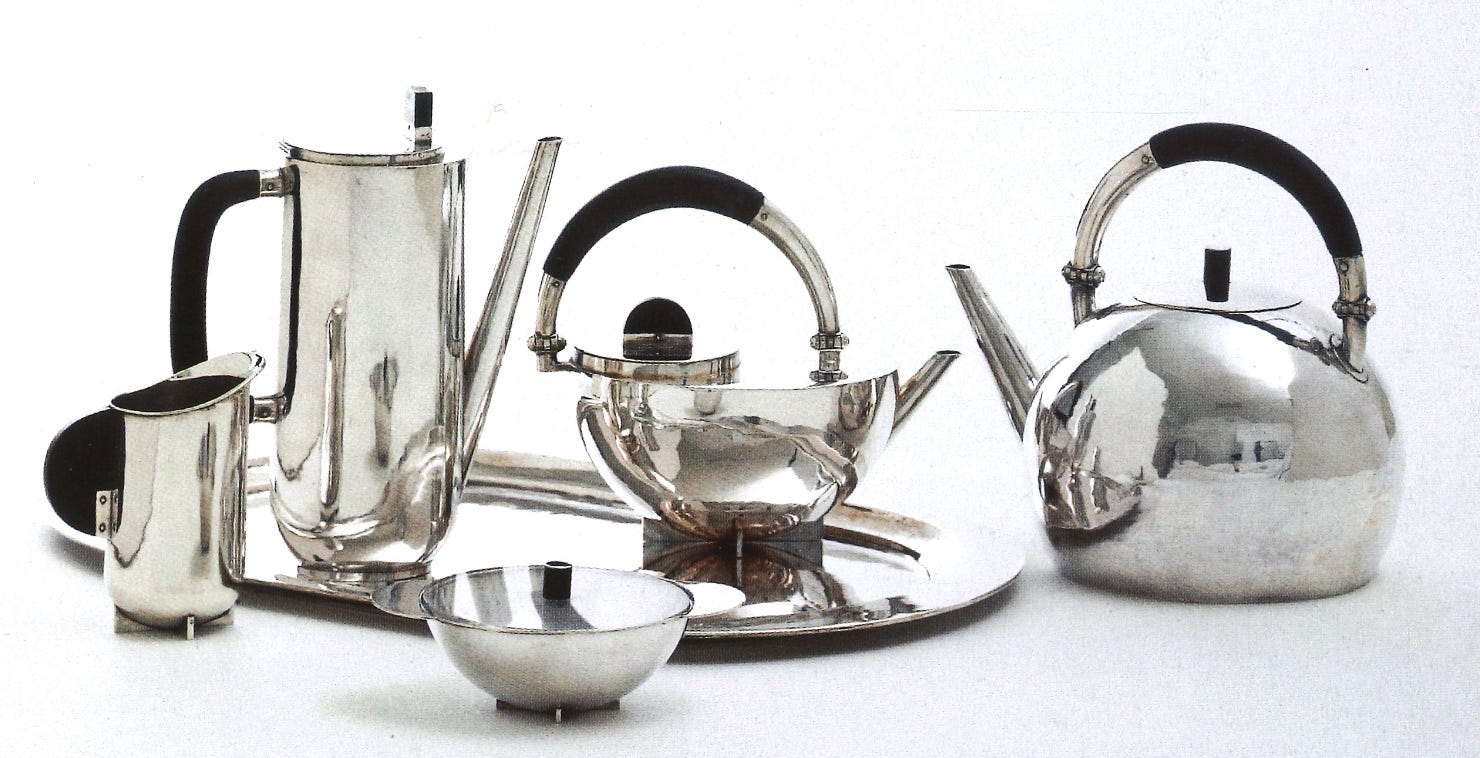
Litsperation: Women Design by Libby Sellers
If you’re curious to find out how a fourteen year old school, led by a former cult member changed the way we approach design today, please stick around. We have a lot of ground to cover today so I’ll need you to keep up. This essay will use Bauhaus as a case study for why diversity is important in any industry that requires innovation to generate revenue. In this case diversity will be in the form of gender however, all forms of diversity add great value when trying to generate ideas and fresh perspectives.
Let’s discuss a bit about the school before we dive straight in, here are the facts you need to know in order to understand what we’re dealing with here.
The Staatliches Bauhaus, widely referred to as Bauhaus was an art school in Weimar Germany established in 1919 and eventually closed down due to the pressure from the Nazi regime in 1933.
It was the first state funded academy in Germany to allow women to join, which led to women outnumbering men 84 to 79 in its first year of opening.
The school was a merger between the Grand Ducal School of Arts and Crafts and the Weimar Academy of Fine Arts, and its vision was to create a school led by architecture overcoming hierarchies in the artistic space.
The intention of Bauhaus was that the skills learnt could be used in the world of industry
The Manifesto
Architects, sculptors, painters—we all must return to craftsmanship! For there is no such thing as “art by profession.” There is no essential difference between the artist and the artisan. The artist is an exalted artisan. - Walter Gropius, founder of Bauhaus
In the schools opening manifesto Gropius declared that there ‘should be no difference between the beautiful and the strong sex’ - this would be the first of many contradictions we will encounter throughout this essay. Many women saw this as an opportunity to learn trades previously reserved for men, with excitement they rushed to study at this new ‘progressive’ school with the hope of honing their craftsmanship skills with same intensity as their male counterparts. Coming as a surprise to absolutely no one, the reality these women faced, did not meet the standards set by Gropius. Women were only allowed to learn textiles and a quota was set as to how many women could join the school in order to maintain its reputation as a serious design institution. In addition to being confined into a particular skill set (further differentiating them from their ‘strong sex’ counterparts), there was not actually a textiles course and the students essentially had to teach themselves. This was at an additional cost for the women in these classes some of whom had to take classes at other schools and bring that information back to their Textile class.
This is an example of how many diversity and inclusion initiatives still operate today, often these initiatives do not have the recipient in mind and primarily focuses on the optics of their organisation. Leading to subpar conditions for producing impressive work, which only further reinforces the idea that these minority groups should not be let in to these spaces in the first place. This is to the detriments of both parties, but more on this later.
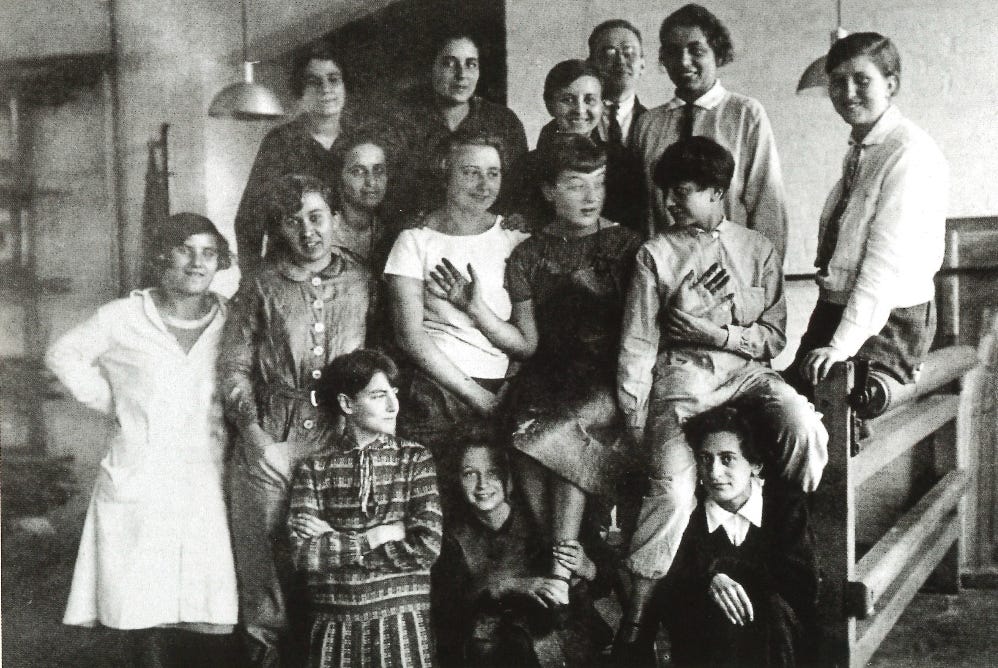
Creative Safe Spaces
Despite the Textile department’s lack of funding it ended up being one of the most commercially successful departments in the entire school. Women were able to share the ideas that they had gathered from different sources and start experimenting in the textiles workshop. Gunta Stözl was one of these phenomenal women, who in the face of adversity rose to the occasion and continued to pursue novel techniques in weaving that she would then pass on to her fellow students. Eventually in 1927 she became Young Master of the weaving workshop although she had been leading the course since 1925. Another trailblazer in this field was Helene Börner who sought work for her apprentices to complete and brought in additional commissions through exhibitions and trade fairs. The belief these women had in their students inspired them to go on to experiment and create with open minds, unrestricted by courses that other departments were bound by.
Let’s take a second to imagine if these women had the funding and the resources they needed without being limited to the textiles domain in the first place. Many of these women had their eyes set on being self employed - as for most women this was their ticket to freedom - unfortunately most of them would not reach it. However this difference in mindset meant that they were incredibly business savvy and they were constantly looking for deals and contracts to sign in order to reach their goals and the goals of their department. Had this mindset been spread across different departments perhaps the trajectory of Bauhaus could have been entirely different.
Innovative Thinkers
This section will highlight two women who experimented with design to showcase how diversity in leadership can translate to diversity in thought.
Annie Albers
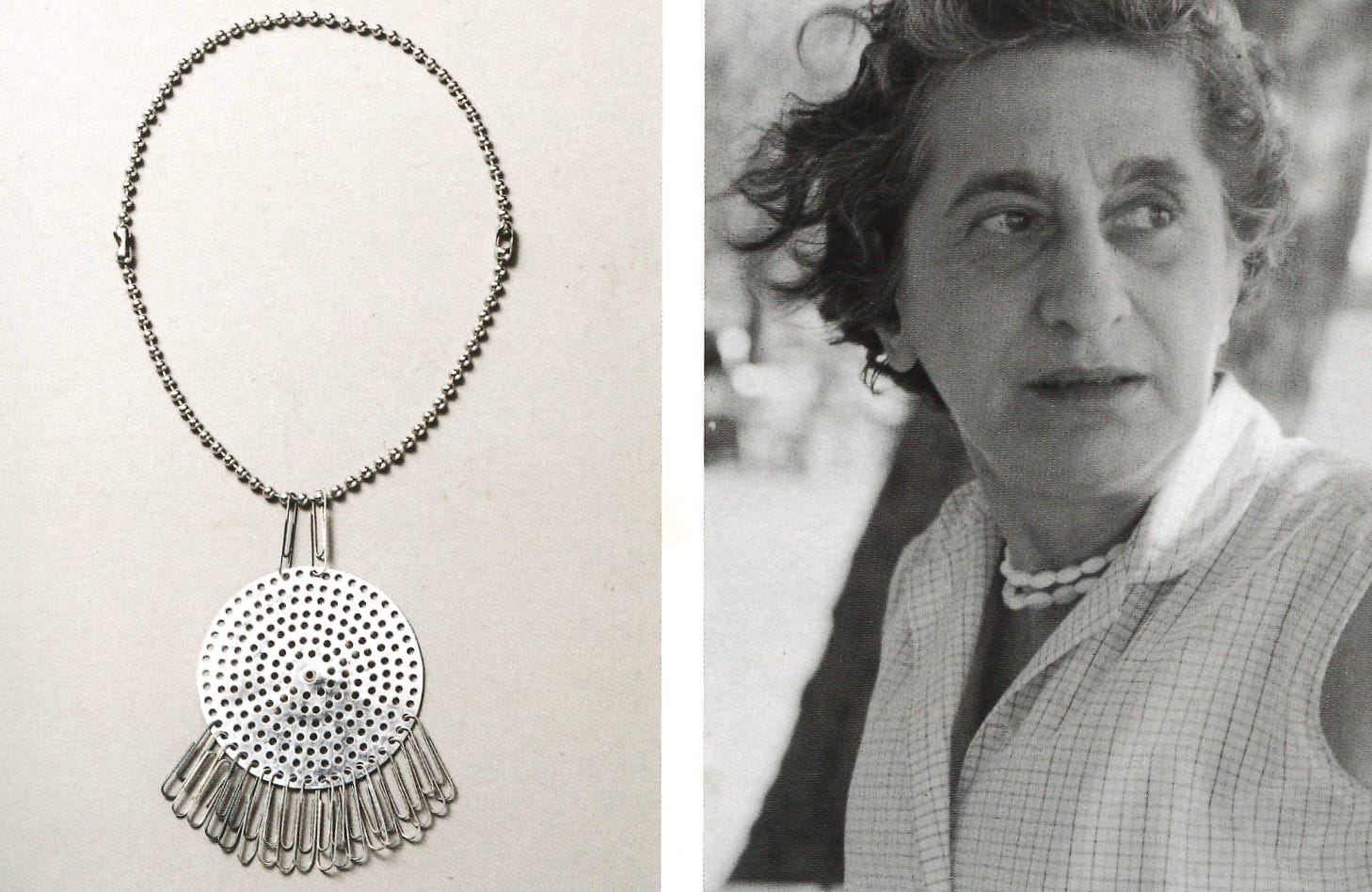
Annie Albers born in 1899 to a wealthy family joined Bauhaus with an interest in metals, with no intention of learning about textiles.
‘Weaving I thought was too sissy. I was looking for a real job’ - Annie Albers
After spending some time in the textiles class she began to find it more interesting as she had more room to experiment. She was looking to construct a functional relationship between textiles and architecture, by looking at woven fibres ability to absorb sound and reflect light. Her consistent investigating lead her to create designs 1920s Germany had not encountered before. She would become a teacher at the school taking over for Stözl when she had to leave due to pressure from the Nazis.
Marianne Brandt
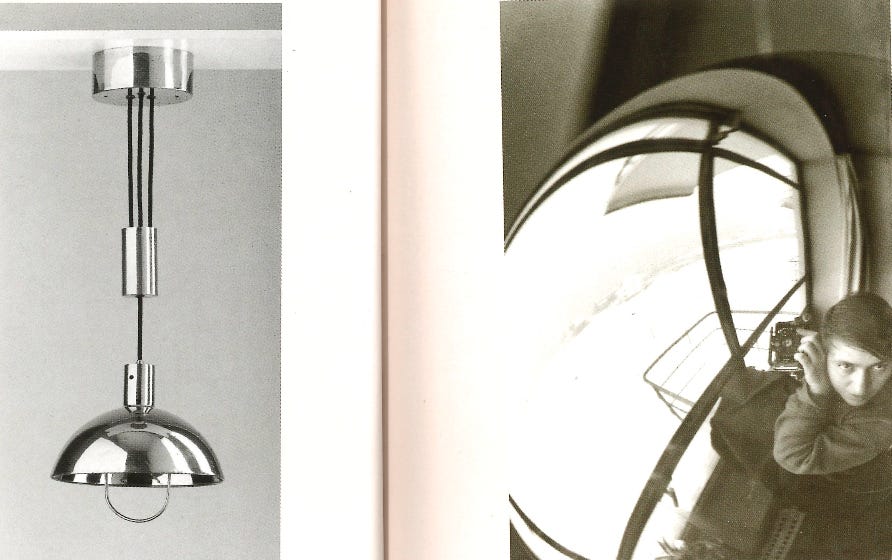
In my opinion the most interesting of all these women would have to be Marianne Brandt as she did not end up in the Textiles department but would be the only woman to leave Bauhaus with a degree from the metal workshop. All the women mentioned are incredibly interesting however Brandt stands out as a case study that displays what happens when an area is open to different schools of thought.
Brandt was initially a painter and a top student of one of the respected professors at the school and with his stamp of approval she was able to join the metal workshop. She explained that although she had received such high praises ‘ there was no place for a woman’ in the workshop and that her fellow students ‘expressed their displeasure by giving me all sorts of dull, dreary work.’ This would not stop Brandt as after four years in the workshop she would go on to be acting director setting new standards for industrially produced metalwork. These standards are now what we recognise to be the aesthetic of Bauhaus today!
To learn more about the different trailblazing women at Bauhaus I recommend watching this video (did not expect to hear my name at the start!)
Conclusion
The women’s (textiles) department ended up reflecting the vision Gropius had initially intended for Bauhaus, with its many connections to the world of industry and practical applications of design. The close mindedness of that generation stifled that amount of innovation that Bauhaus could be known for today. What can we learn from this? It’s easy to look at this and think that the inclusion of women makes an organisation diverse but it doesn’t and so by today’s standards if you have a business or a creative venture that requires input from other sources aim to look outside yourself to find unique perspectives that can add to your work.
Thank you for reading today’s newsletter I hope you found it interesting! I feel like this was a bit cramped and I’m trying to decide whether I want to make longer form essays or shorter ones so I’ll let you know what I land on. I’ve also been thinking about how I want to structure this newsletter going forward maybe with themes or divide into different series, let me know what you think would be best.
Anyway have a lovely rest of your week and see you next Tuesday :)
What an insightful post, the history here is so rich and really speaks to the tenacity of women. 💙